How Touch-Based Slot Interactions Influence Adoption of Responsible Gambling Tools in Regulated Markets
Skriven av Hugo Jenkins · 2026-11-22
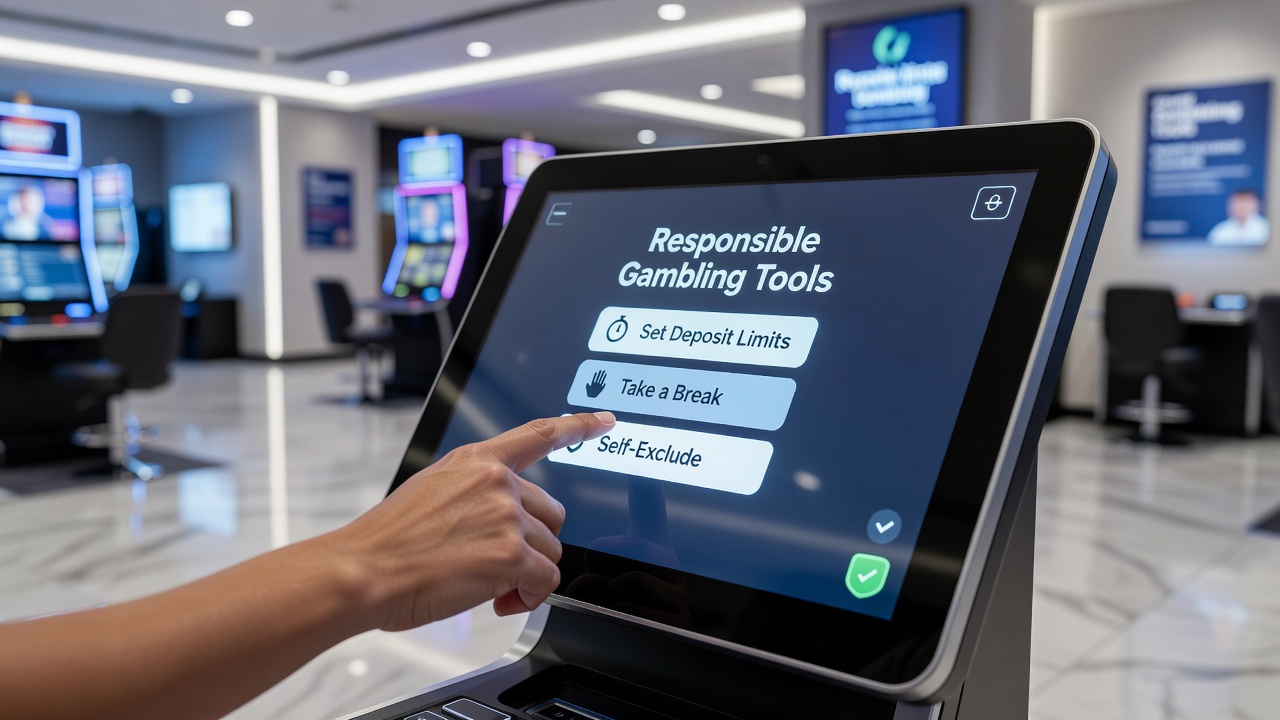
How Touch-Based Slot Interactions Influence Adoption of Responsible Gambling Tools in Regulated Markets
Touch-based interactions on slot platforms have reshaped how players engage with games and with the tools designed to promote safer play across regulated markets, and operators continue to refine these interfaces to meet compliance standards that emerged after widespread mobile adoption. Studies from multiple jurisdictions show that swipe gestures, tap-to-spin mechanics, and drag-based bet adjustments create seamless experiences that keep sessions flowing, yet the same fluid design elements now extend to responsible gambling features such as limit-setting panels and session timers that appear as overlay menus activated by a single touch.
Design Elements That Bridge Gameplay and Protection Features
Developers integrate responsible gambling options directly into the touch flow rather than placing them behind separate menus, and this placement allows players to adjust deposit caps or activate cooling-off periods without leaving the game screen. Data collected from mobile operators in Australia indicates that when limit-setting buttons sit within thumb reach during spins, usage rates rise compared with systems that require navigation through account dashboards, while similar patterns appear in reports issued by Canadian provincial regulators tracking player behavior on regulated apps.
Animation speed and haptic feedback further influence whether users notice these tools mid-session, because quick reel stops paired with subtle vibrations can coincide with pop-up reminders that prompt reflection on time spent or amounts wagered. Researchers at the University of Sydney documented that players who encountered touch-responsive confirmation screens after setting a limit were more likely to retain those settings across multiple visits, whereas static text prompts without interactive elements produced lower follow-through.
Evidence from Regulated Markets on Adoption Rates
Market analyses covering European and North American jurisdictions reveal that platforms using gesture-based confirmation for self-exclusion requests recorded higher completion rates than those relying on form submissions, and this difference holds after controlling for player demographics and session length. Figures released by the Australian Institute of Criminology highlight a measurable uptick in voluntary limit adoption on touch-optimized slot titles between 2024 and 2026, coinciding with software updates that placed spend trackers as persistent, swipe-accessible widgets rather than buried settings.
November 2026 brought additional datasets from several Canadian provinces showing parallel trends, where operators that embedded quick-access RG panels within the main game loop observed increased tool engagement among users aged 25 to 44, a cohort that favors one-handed mobile play. These reports note that the timing of tool prompts matters, because prompts triggered immediately after a large win via a gentle tap vibration produced different response patterns than random interruptions.
Interface Testing and Player Response Patterns
Usability trials conducted by independent labs demonstrate that drag-to-adjust bet size controls reduce friction when players later interact with linked budget tools, since the same motor skill transfers to sliding a deposit limit bar up or down. One study tracking eye movement and finger placement found that players who frequently used swipe mechanics to spin were quicker to locate and activate session-end buttons when those buttons occupied the same screen quadrant as the spin control.
Regulators in multiple markets now require operators to report interaction logs that capture how often players open RG menus via touch versus traditional clicks, and these logs help identify whether design changes actually increase voluntary use. Observers note that haptic cues confirming a limit change have become standard in newer builds, providing immediate sensory feedback that mirrors the tactile response of a winning spin.
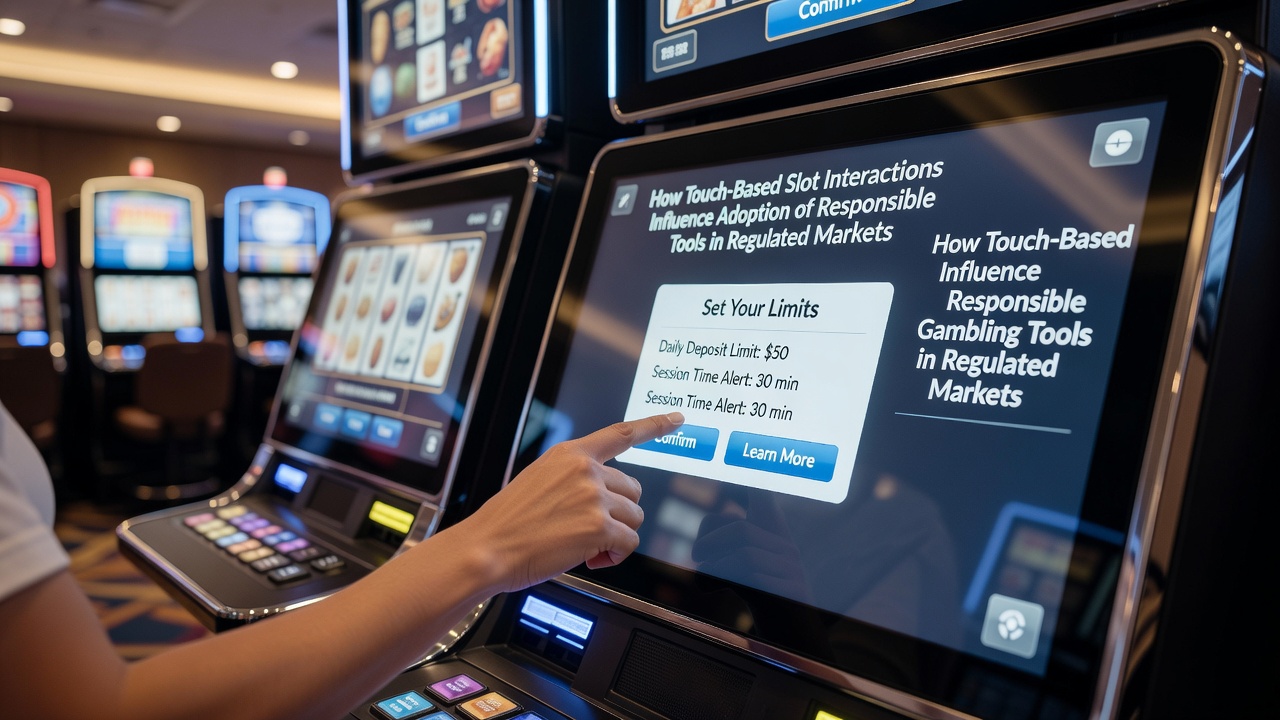
Regulatory Frameworks Shaping Touch Integration
Compliance requirements across jurisdictions increasingly specify that responsible gambling interfaces must remain accessible through the same gesture vocabulary used for core gameplay, and this alignment reduces the cognitive load of switching between entertainment and control modes. European regulators outside the UK have issued guidance encouraging operators to test touch latency on RG features to ensure they respond as reliably as reel spins, while Australian state frameworks tie licensing renewal to measurable adoption metrics derived from in-app analytics.
These standards emerged partly from longitudinal data indicating that players abandon protective tools when the activation sequence feels slower or less responsive than the game itself, and developers responded by embedding limit toggles as floating action buttons that follow thumb movement patterns observed during extended sessions.
Conclusion
Touch-based slot design continues to evolve alongside responsible gambling requirements, and the integration of gesture-driven controls with protection features produces measurable shifts in how often players engage those tools across regulated environments. Continued monitoring of interaction data from markets in Australia, Canada, and parts of Europe supplies operators and policymakers with concrete figures that guide further refinements, ensuring that the same fluidity players expect from spins also supports informed choices about limits and session length. As platforms update interfaces through 2026 and beyond, the connection between touch mechanics and tool adoption remains a central focus for compliance teams seeking to align entertainment value with regulatory expectations.