Mapping Payment Security Protocols to Player Retention in Regulated Mobile Gaming Ecosystems
Skriven av Xander Müller · 2026-08-21
Mapping Payment Security Protocols to Player Retention in Regulated Mobile Gaming Ecosystems
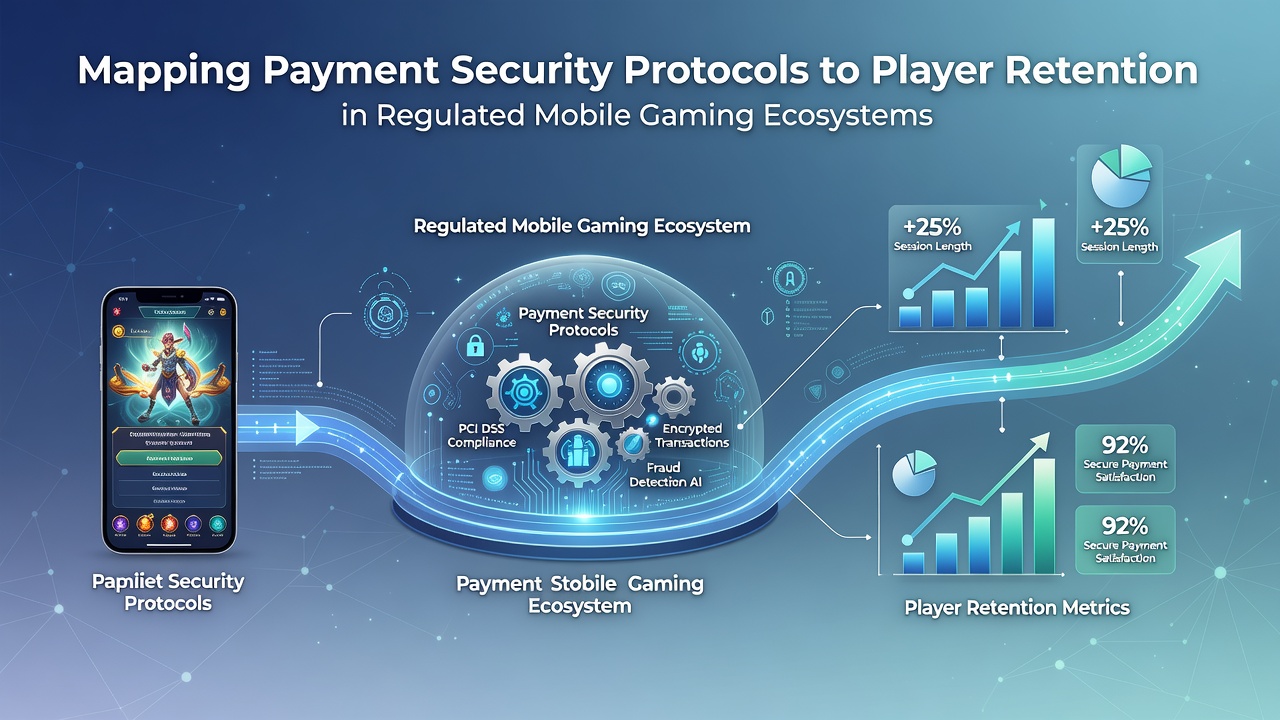
Payment security protocols in regulated mobile gaming ecosystems establish the foundation for trust between operators and users, and data from multiple jurisdictions shows direct links to sustained player engagement over time. Regulators across regions enforce standards such as PCI DSS compliance, tokenization of financial details, and multi-factor authentication during transactions, while operators integrate these measures into app architectures to reduce fraud incidents and chargeback rates. Observers note that platforms maintaining these protocols experience measurable differences in session frequency and account longevity compared to those with weaker implementations.
Core Security Elements in Regulated Environments
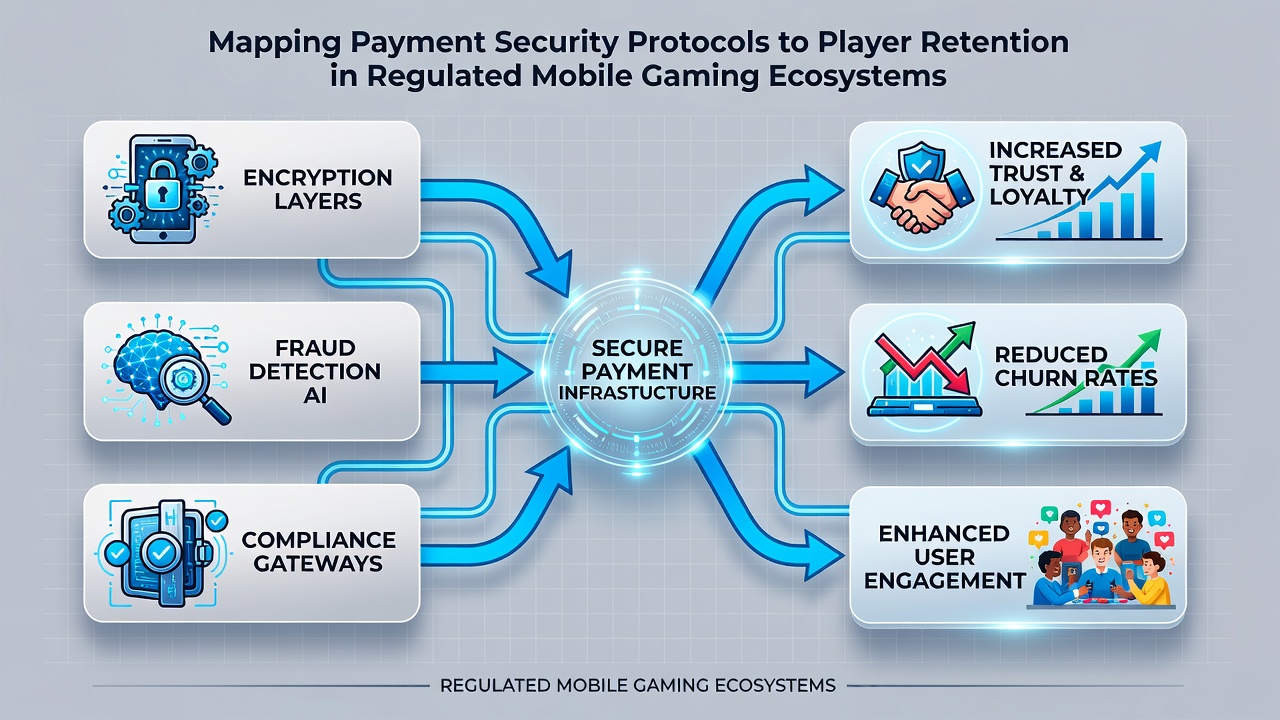
Tokenization replaces sensitive card or account numbers with unique identifiers that cannot be reverse-engineered, and this approach limits exposure during data breaches that have occurred in various markets since 2023. Biometric verification combined with device fingerprinting adds another layer, requiring physical user confirmation before processing deposits or withdrawals, and studies indicate these steps correlate with fewer abandoned transactions. End-to-end encryption during payment flows protects information in transit, while real-time monitoring systems flag unusual patterns such as rapid successive deposits from new accounts.
Regulated frameworks in the European Union and parts of North America mandate regular audits of these systems, and compliance reports released through August 2026 highlight incremental improvements in fraud detection rates across licensed operators. Those who've examined operator dashboards observe that protocols aligned with international standards also facilitate smoother cross-border transactions for players in jurisdictions like Australia and Canada, where mobile gaming volumes continue to rise.
Retention Patterns Linked to Transaction Reliability
Player retention metrics track repeat deposits, average session duration, and churn rates, and multiple analyses connect reliable payment processing to higher retention percentages. When users encounter seamless withdrawals without delays or verification hurdles, return rates increase because trust accumulates through consistent experiences. Conversely, platforms experiencing authentication failures or delayed fund releases see elevated account closures within the first three months of activity.
Research indicates that operators achieving certification under frameworks like those overseen by the Malta Gaming Authority demonstrate retention improvements ranging from 12 to 18 percent over six-month periods when security upgrades coincide with updated user interfaces. In Australia, figures from the Australian Communications and Media Authority reveal similar trends among licensed mobile platforms that adopted advanced encryption standards ahead of 2025 policy updates. One study revealed that players who completed at least five successful transactions without security interruptions showed a 27 percent higher likelihood of remaining active after one year.
Regional Implementation and Measurable Outcomes
Canadian provinces operating regulated iGaming systems have documented how integrated payment gateways with automated fraud scoring reduce chargebacks by up to 40 percent, and this reduction directly supports higher lifetime value calculations for individual accounts. European operators subject to the Payment Services Directive 2 requirements report parallel gains in retention when strong customer authentication becomes standard across their mobile offerings. What's interesting is that these outcomes appear consistent regardless of game type, suggesting the security layer influences behavior more than content variety alone.
Take one analysis covering multiple operators in 2025 where platforms using unified tokenization services across deposit and withdrawal channels recorded lower support ticket volumes related to payment issues, freeing resources for other retention initiatives such as personalized offers. Those who've tracked user cohorts note that early positive payment experiences predict longer engagement windows, while initial friction often leads to immediate disengagement.
Future Alignment of Protocols and Metrics
As new regulatory updates take effect through 2026 and beyond, operators continue mapping specific security controls to key performance indicators including net retention rate and deposit frequency. Collaboration between technology providers and licensing bodies supports standardized reporting that isolates the contribution of payment protocols from other variables like bonus structures or game libraries. Data shows these mappings help identify which controls deliver the strongest retention lift without increasing operational overhead.
Conclusion
Payment security protocols function as measurable inputs within regulated mobile gaming systems, and available evidence ties their consistent application to sustained player activity across diverse markets. Continued monitoring through regulatory channels and operator analytics will clarify additional correlations as ecosystems evolve.