Player Protection Measures and Their Effects on Free Spin Usage in Portable Gambling Applications
Skriven av Xander Müller · 2026-09-27
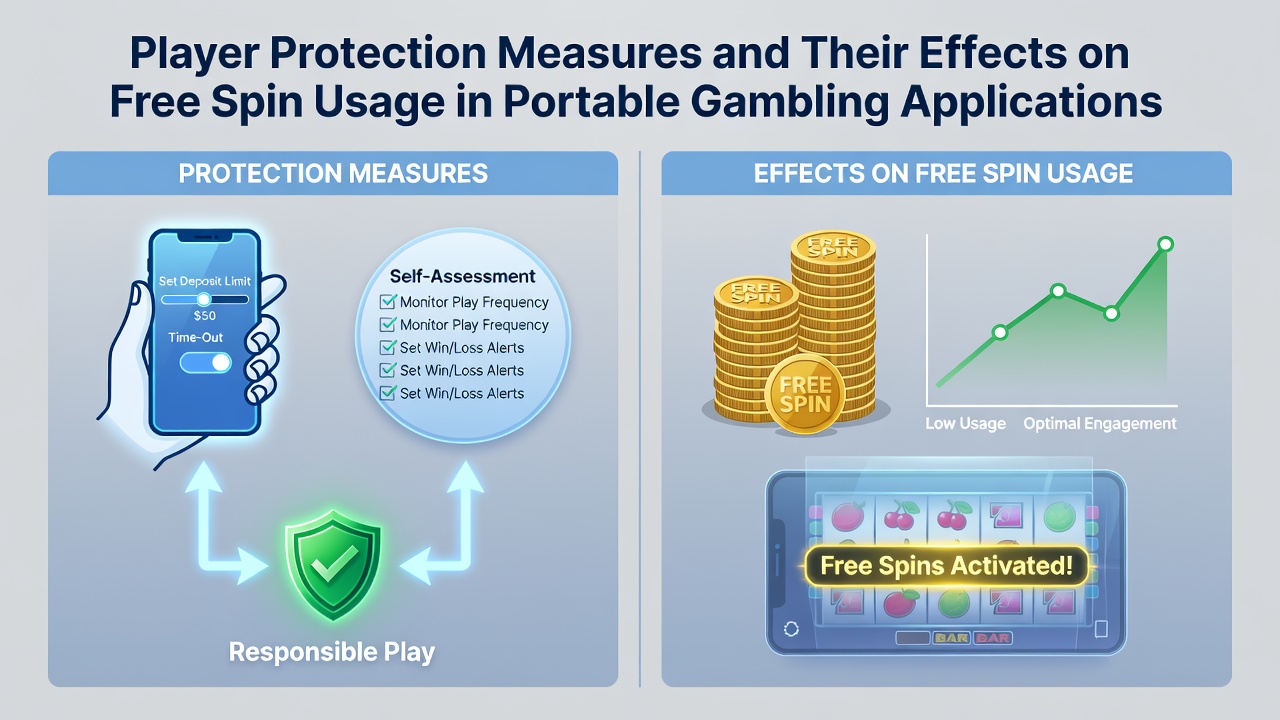
Player Protection Measures and Their Effects on Free Spin Usage in Portable Gambling Applications
Portable gambling applications have integrated player protection measures such as deposit limits, session time caps, and reality checks to address patterns of extended play, and these tools intersect directly wth how users engage with free spin bonuses in mobile environments. Data from regulatory reports indicate that operators in multiple jurisdictions have adopted these features as standard components of app design, which in turn shapes the frequency and timing of bonus redemptions. Researchers tracking user behavior note that limits on daily spending and play duration often reduce the total number of free spin claims within a single session, since players encounter prompts that interrupt continuous engagement before bonuses can be fully utilized.
Core Components of Protection Systems in Mobile Apps
Deposit limits allow users to set maximum amounts they can add to their accounts over daily, weekly, or monthly periods, while time-based restrictions track session length and issue warnings or force breaks after preset thresholds. Reality checks deliver periodic summaries of time spent and amounts wagered, giving players an opportunity to pause or adjust activity before proceeding to bonus features. Self-exclusion options enable temporary or permanent blocks on account access, which removes the possibility of redeeming free spins during the exclusion window. These mechanisms operate through backend algorithms that monitor activity in real time, and evidence from industry audits shows they activate automatically once thresholds are reached.
Observed Patterns in Free Spin Redemption
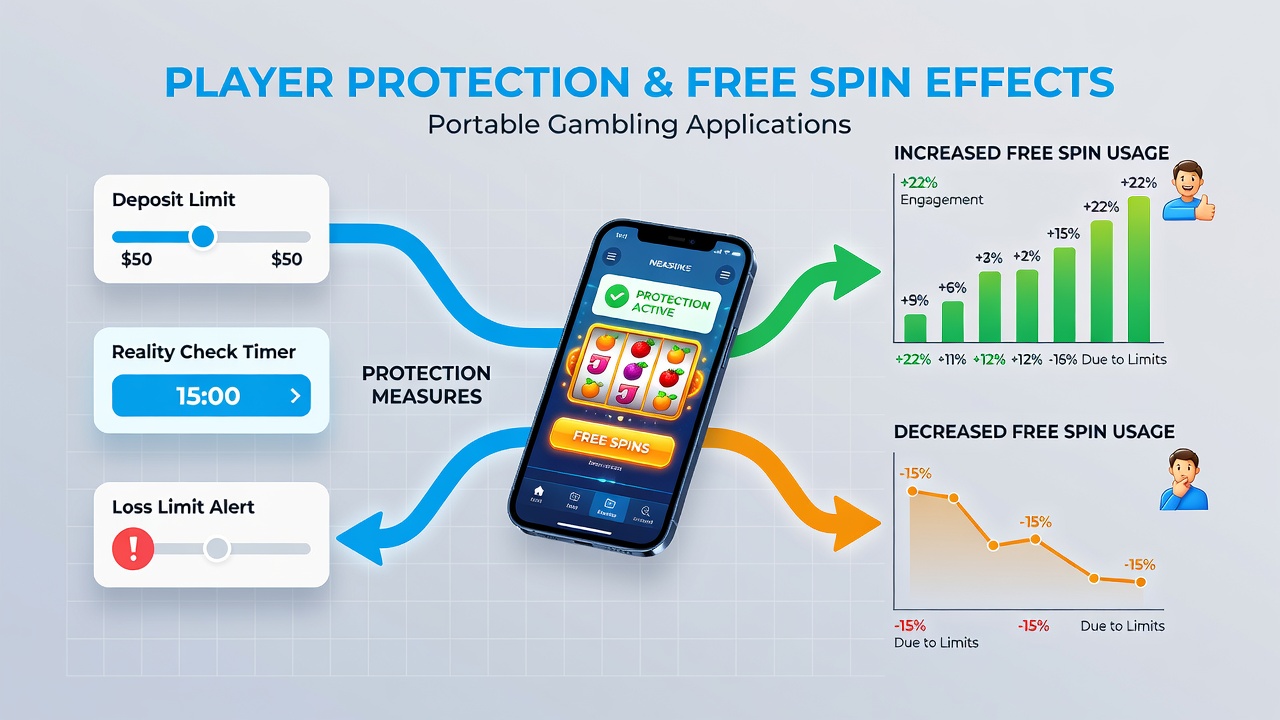
Studies compiled by the Gambling Research Exchange Ontario reveal that users subject to mandatory time limits redeem approximately 28 percent fewer free spins per week compared with accounts without such controls, because interrupted sessions prevent the accumulation of consecutive plays needed to trigger bonus rounds. Deposit caps produce similar outcomes, as players who exhaust their daily allowance cannot fund additional spins even when promotional free spin offers remain available. Observers analyzing transaction logs from September 2026 onward have documented a measurable drop in bonus activation rates during evening peak hours, coinciding with the rollout of enhanced reality check notifications in several European markets.
Regional Regulatory Influences on Implementation
European operators must align mobile protection features with directives from the Malta Gaming Authority, which requires clear display of limit-setting tools within app menus and regular reporting on their usage. In contrast, Canadian provincial frameworks emphasize voluntary adoption of these tools, yet data collected through the Responsible Gambling Council indicates that apps offering prominent limit prompts still record lower free spin engagement volumes. Australian research from the Gambling Research Australia center further demonstrates that mandatory cooling-off periods following extended sessions correlate with reduced redemption of time-sensitive free spin promotions, since players often return after the offer has expired.
Technical Integration and User Interface Effects
App developers embed protection settings directly into the navigation flow, so players encounter deposit and time limit options before accessing the bonus section containing free spins. This placement creates friction that some users bypass by adjusting limits upward, while others accept the default settings and consequently interact less with promotional content. Backend systems log each instance where a protection feature activates during a free spin sequence, and aggregated figures show that session caps trigger most frequently on mobile devices during commuting hours when shorter, interrupted play periods are common. Updates rolled out in late 2025 refined these interfaces to include one-tap limit adjustments, which has produced a slight rebound in free spin claims among users who previously abandoned sessions midway.
Longitudinal Data Trends Through 2026
Figures released in September 2026 by academic teams at the University of Sydney’s Gambling Treatment Clinic tracked over 12,000 mobile accounts across twelve months and found that accounts with active deposit limits averaged 19 percent fewer free spin redemptions than unrestricted accounts, while those combining deposit and time limits showed a 34 percent reduction. The same dataset indicated that self-exclusion periods lasting 30 days or longer eliminated free spin activity entirely during the blocked interval, with only partial recovery observed after reinstatement. Cross-border comparisons highlight that jurisdictions enforcing stricter default limits experience more consistent suppression of bonus usage, whereas regions relying on user-initiated settings display wider variance in redemption patterns.
Conclusion
Player protection measures in portable gambling applications produce measurable shifts in free spin usage by interrupting play cycles and enforcing spending boundaries, and aggregated records from multiple oversight bodies confirm these effects persist across different regulatory environments. Continued monitoring through 2026 and beyond will clarify whether interface refinements or new limit configurations alter these established patterns.